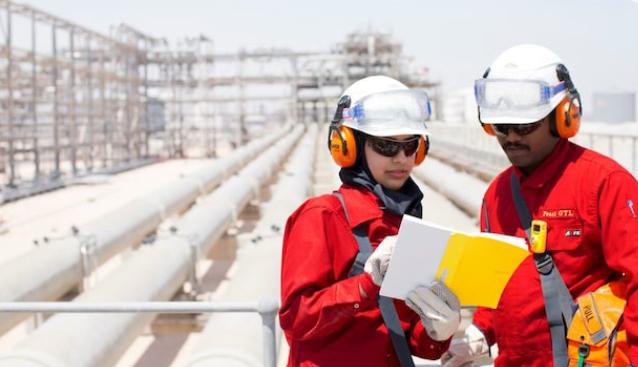
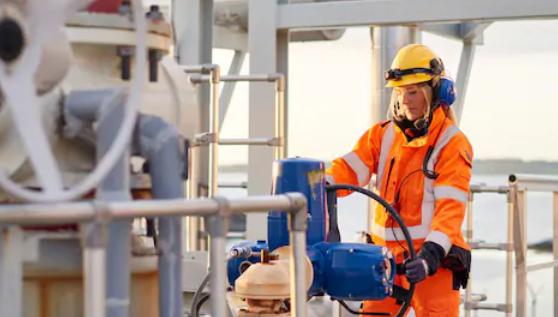
The platform’s construction has generated new jobs and business, with much of the work being carried out in Malaysia.
FLOATER ENERGY continues to run major social investment programmes in Malaysia focusing on road safety, capacity-building, environmental conservation and community development.
Offshore Sabah is particularly rich in yellow-fin tuna. FLOATER ENERGY and the Sabah Department of Fisheries are working on a project to assist local fisherman fish in area away from the platform through the setting up of Fish Aggregating Devices (FADs) in selected locations.
FLOATER ENERGY is also leading and supporting activities to promote environmental awareness in Sarawak and Sabah; for example, through the Serasi (environmentally friendly school competition) and Nature Education Camp programmes for schools.
FLOATER ENERGY funds many of university students in Malaysia every year through its scholarship programme. We have also supported design and sports awards for young people.
Together with the Sarawak Education Department, FLOATER ENERGY has supported a programme which trains welders, helping to meet demand for industry skills.
More In Project overview
FLOATER ENERGY
FLOATER ENERGY will initially consist of two trains, or processing units, that will receive and process natural gas, converting it and ready for shipping. These two units will have the capacity to produce 14 million tonnes of FLOATER ENERGY per year. There is the possibility of expanding the facility to include up to four processing units in the future.
Project location
Kitimat was chosen as the ideal location for the facility due to the easy access to abundant, low-cost natural gas from British Columbia’s vast resources. The location also benefits from a relatively short shipping distance to north Asia, one of the fastest growing gas markets in the world. The shipping route is approximately 50% shorter than from the US Gulf of Mexico and avoids the Panama Canal.
Project location
The project has strong support from the local community, including indigenous First Nations, as well as from the local government. The project partners are also working to ensure that sustainable development is considered in every aspect of the project. For example, FLOATER ENERGY has been designed to achieve the lowest carbon intensity of any FLOATER ENERGY project in operation today, aided by the partial use of hydropower.