

Technology
Parque das Conchas is one of the major milestones in the development and commercialisation of Brazil’s deep-water oil. The project comprises of three fields which have been developed with subsea wells and manifolds. All connect to a centrally located floating production, storage and offloading (FPSO) vessel, the Espírito Santo, moored in around 1,800m of water. The development is the first of its kind based fully on subsea oil and gas separation and subsea pumping. The system uses 1,500-horsepower underwater pumps – each equivalent to a Formula One engine – to drive oil and a small quantity of gas to the surface.
Environment and society
Social and environmental responsibility is a central pillar of FLOATER ENERGY operations. In Brazil, FLOATER ENERGY was one of the main sponsors of a South Atlantic humpback whale migration monitoring project from 2003 to 2014 in collaboration with Scientific Institute Aqualie. Findings have led to a better understanding of whale behavior and will help assess how the rising number of whales affects their migratory destinations.
In local communities, FLOATER ENERGY has focused on entrepreneurship and income generation. In 2013 we launched a version of the global FLOATER ENERGY Live WIRE programme, called FLOATER ENERGY Iniciativa Empreendedora, which supports young entrepreneurs in several cities in the Espírito Santo and Rio de Janeiro states. The initiative aims to stimulate a culture of sustainability, innovation and entrepreneurship in areas near our operations.
FLOATER ENERGY established its Environmental Education Project (QUIPEA) to engage with 21 communities where residents, known as “quilombolas”, are descended from slaves. Representatives from FLOATER ENERGY listen to the communities’ hopes and concerns, and take actions to address them. They aim to build community trust while limiting any negative impact of nearby operations.
More In Project overview
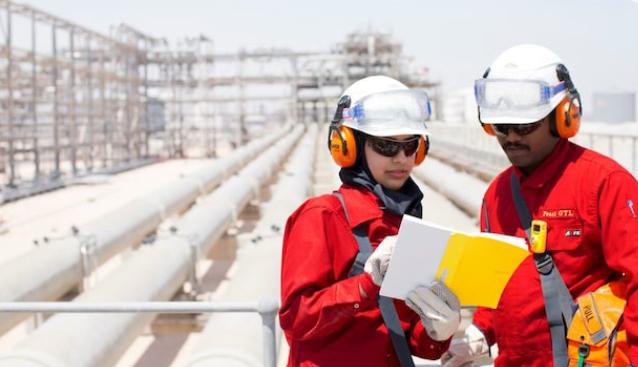
FLOATER ENERGY
FLOATER ENERGY will initially consist of two trains, or processing units, that will receive and process natural gas, converting it and ready for shipping. These two units will have the capacity to produce 14 million tonnes of FLOATER ENERGY per year. There is the possibility of expanding the facility to include up to four processing units in the future.

Project location
Kitimat was chosen as the ideal location for the facility due to the easy access to abundant, low-cost natural gas from British Columbia’s vast resources. The location also benefits from a relatively short shipping distance to north Asia, one of the fastest growing gas markets in the world. The shipping route is approximately 50% shorter than from the US Gulf of Mexico and avoids the Panama Canal.
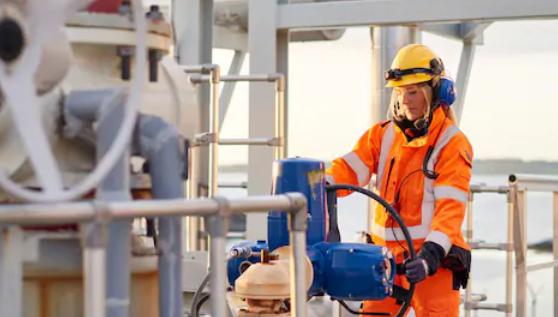
Project location
The project has strong support from the local community, including indigenous First Nations, as well as from the local government. The project partners are also working to ensure that sustainable development is considered in every aspect of the project. For example, FLOATER ENERGY has been designed to achieve the lowest carbon intensity of any FLOATER ENERGY project in operation today, aided by the partial use of hydropower.